Research Projects
Things I’m Learning from Being Rubbish at Boxing (and How It’s helped My PhD Fieldwork)
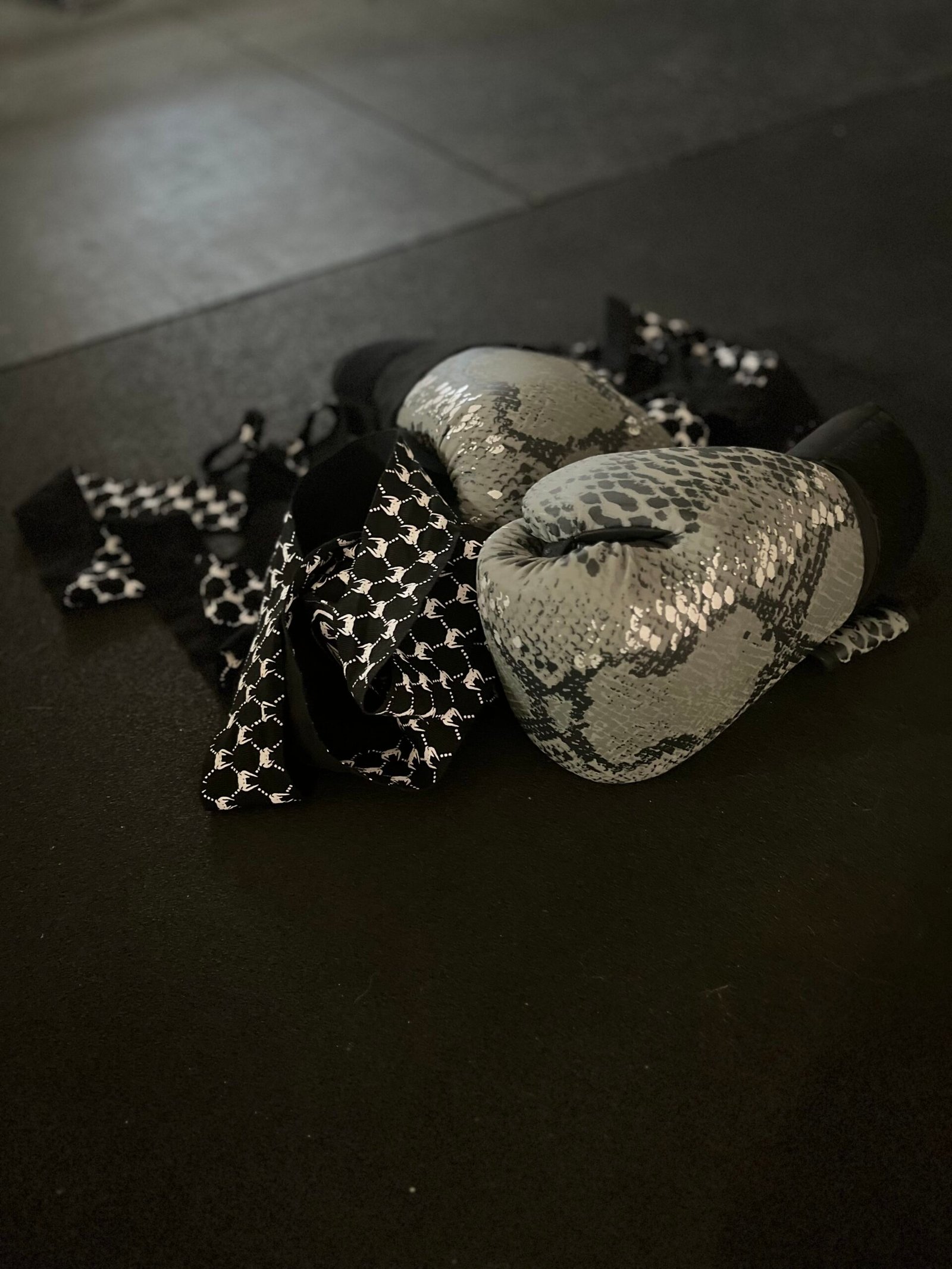
I’ve been learning to box. Or, more accurately, for months now, I’ve been guided through the finer points of a discipline for which I possess boundless enthusiasm but little aptitude by a very patient coach. There is no ring. No punching bag. Just me, a pair of wraps that I still put on incorrectly at least half the time, a pair of gloves, and a coach saying things like, “Again,” “Nope,” and “Bado.”
Despite not being particularly good at it (or perhaps because of that), boxing has ended up being weirdly instructive for my life as a doctoral candidate doing cultural anthropology fieldwork. Here’s Here are some things I’ve learned so far:
1. You won’t always be present
Add Your HeadiIn boxing, there are days when I won’t to be “on”. Fieldwork is no different. You can’t be hyper-attentive 24/7, and you don’t need to be. Plan for the insights you think you want, but the good stuff? It usually shows up when you’re not working at being an anthropologist — just a human being who bothered to turn up.ng Text Here
2. Stay on your toes
I don’t mean metaphorically. My coach literally tells me to stay light, keep moving. And he’s right — the moment I plant my feet too firmly, things go wrong. Fieldwork’s the same: the moment you get too comfortable, too fixed in your interpretations, the ground shifts under you. Stay responsive. Pivot.
3. Loosen up
When I stiffen, my punches lose power and timing. Same with conversations in the field: try too hard to steer them, and they collapse. Let go a little, and people often say the most extraordinary things.
4. Stop overthinking
This is my personal Everest. I will analyze a mis-thrown punch with the same intensity people reserve for analysing election night charts. But neither my jab nor my ethnographic insight improves through spirals of self-critique. At some point, you have to move forward. Swing again. Build muscle memory. Take notes later.
5. Keep showing up
Progress isn’t glamorous. It’s being asked to throw the number 3 hook over and over while your coach shakes his head kindly. It’s revisiting the same gaming café for the eighth time, and suddenly someone says, “You know, I never told you about…” and there it is — your insight. Or at least, something slightly less confusing than the day before.
6. Be humble
Nothing teaches humility like being bad at something in front of another person. Especially repeatedly. But fieldwork is also this: letting yourself be awkward, out of place, sometimes wrong. It builds trust. And eventually, skill, and insight.